
Cholesterol
Heart & CardiacCholesterol is a waxy, fat-like substance in your blood. Your body needs some cholesterol to build cells and make hormones, but too much — particularly the wrong kind — builds up in artery walls and raises the risk of heart attack and stroke.
Also known as: Hypercholesterolemia, Hyperlipidemia, Hyperlipoproteinemia
Last updated
Videos about Cholesterol (48)
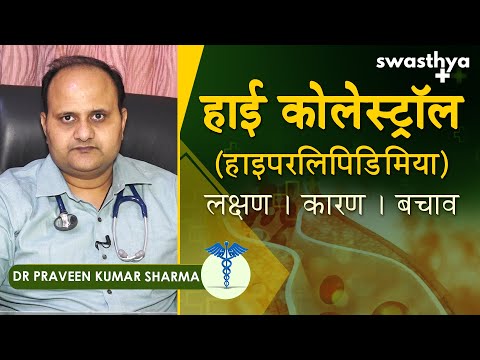 18:23
18:23हाई कोलेस्ट्रॉल (हाइपरलिपिडिमिया) - लक्षण, कारण, बचाव | Dr Praveen Kumar Sharma on High Cholesterol
Dr Praveen Kumar Sharma
194K views
 6:00
6:00कोलेस्ट्रॉल कंट्रोल के लिए सही डाइट | Diet to control Cholesterol in Hindi | Kavitha Mudit
Kavitha Mudit
1.8K views
 23:28
23:28उच्च कोलेस्ट्रॉल ख़राब क्यों है? | High Cholesterol: How to Control? in Hindi | Dr Sandeep Parekh
Dr Sandeep Parekh
1.1K views
 5:39
5:39High Cholesterol: How to Control? | Symptoms & Treatment | Hyperlipidemia | Dr Rohit Bhagat
Dr Rohit Bhagat
423 views
 8:42
8:42উচ্চ কোলেস্টেরল: কিভাবে নিয়ন্ত্রণ করবেন? |How to Control High Cholesterol? Bangla|Dr Avigyan Sarkar
Dr Avigyan Sarkar
304 views
 8:12
8:12कोलेस्ट्रोल कसरी नियन्त्रण गर्ने? | How to Control High Cholesterol? in Nepali | Dr Aditya Mahaseth
Dr Aditya Mahaseth
95 views
 10:20
10:20High Cholesterol: How to Control? | Hyperlipidemia | Dr Rahul D Sawant
Dr Rahul D Sawant
86 views
 7:18
7:18High Cholesterol: How to Control? | Causes and Symptoms | Dr Khalil Shaikh
Dr Khalil Shaikh
71 views
 9:11
9:11ਕੋਲੇਸਟ੍ਰੋਲ ਨੂੰ ਘਟਾਉਣ ਲਈ ਕੀ ਖਾਣਾ ਚਾਹੀਦਾ ਹੈ?| Diet to Control High Cholesterol, in Punjabi| Renu Verma
Renu Verma
4.3K views
 9:25
9:25ডিসলিপিডেমিয়া কী? | Treatment of Dyslipidemia in Bangla| Abnormal Cholesterol | Dr Soumik Choudhury
Dr Soumik Choudhury
895 views
 5:25
5:25কোলেস্টেরল নিয়ন্ত্রণে ডায়েট প্ল্যান | Diet to control Cholesterol in Bangla | Souvik Chakraborty
Souvik Chakraborty
524 views
 4:41
4:41উচ্চ কোলেস্টেরল: চিকিৎসা কি? | High Cholesterol: How to Treat? in Bangla | Dr Supratip Kundu
Dr Supratip Kundu
469 views
Showing 12 of 48 videos
About Cholesterol
About this summary: Written by Swasthya Plus for Indian readers, using MedlinePlus, National Library of Medicine as a reference source. For personal guidance, please consult a qualified Health Expert.
Cholesterol is a waxy, fat-like substance in your blood. Your body needs some cholesterol to build cells and make hormones, but too much — particularly the wrong kind — builds up in artery walls and raises the risk of heart attack and stroke. High cholesterol is very common in Indians and often shows up at younger ages than in Western populations.
Types of cholesterol
- LDL ("bad") cholesterol — carries cholesterol to artery walls; higher levels raise heart-disease risk
- HDL ("good") cholesterol — carries cholesterol away; higher levels are protective
- Triglycerides — a different type of blood fat; high levels also raise heart-disease risk (see Triglycerides page)
- Non-HDL cholesterol — total minus HDL; a useful overall measure
- Lipoprotein (a) — Lp(a) — a specific lipid particle, tends to run in families; South Asians often have higher Lp(a) and an independent heart-disease risk
Why it matters
High LDL cholesterol over years contributes to atherosclerosis — hardening and narrowing of arteries — which underlies most heart attacks and many strokes. South Asians often develop cholesterol problems earlier, at lower BMI, and with less dramatic numbers than Western populations — so the usual "normal range" may not fully reflect risk. Indian cardiology societies often recommend lower LDL targets for South Asians.
Risk factors for high cholesterol
- Diet high in saturated fat (ghee, butter, fatty meats, full-fat dairy), trans fats (vanaspati, many commercial fried foods), and refined carbs
- Physical inactivity
- Overweight and central obesity
- Smoking (raises LDL and lowers HDL)
- Family history — genetic causes (familial hypercholesterolaemia) are under-diagnosed in India
- Diabetes
- Hypothyroidism, kidney disease
- Some medicines
Symptoms
High cholesterol has no symptoms by itself — it's found on a blood test. Some people with very high levels have yellow cholesterol deposits on the skin (xanthomas) or around the eyes (xanthelasma). Most people find out after a routine check, or — too often — after a heart attack.
Testing
A lipid profile is a simple blood test. Indian cardiology societies recommend lipid screening from age 20 onwards, and more often with family history of early heart disease, diabetes, high blood pressure, or obesity.
Treatment
- Lifestyle changes are the foundation — work whether or not you need medicines
- Diet — more whole grains, pulses, vegetables, fruits, nuts; less ghee, butter, vanaspati, fried foods, sweets, refined flour; prefer unsaturated oils in rotation; limit egg yolks if LDL is very high
- Physical activity — at least 150 minutes of moderate activity a week; walking, yoga with movement, cycling
- Weight — losing 5-10% of body weight meaningfully helps
- Stop smoking
- Treat underlying conditions — diabetes, hypothyroidism
- Cholesterol-lowering medicines — several classes are available. Statins are the most common and well-studied. Your doctor decides based on your overall heart-disease risk, not just cholesterol numbers alone.
- Take medicines consistently — don't stop on your own when numbers improve; the medicine is keeping them improved
Reference source: MedlinePlus, National Library of Medicine